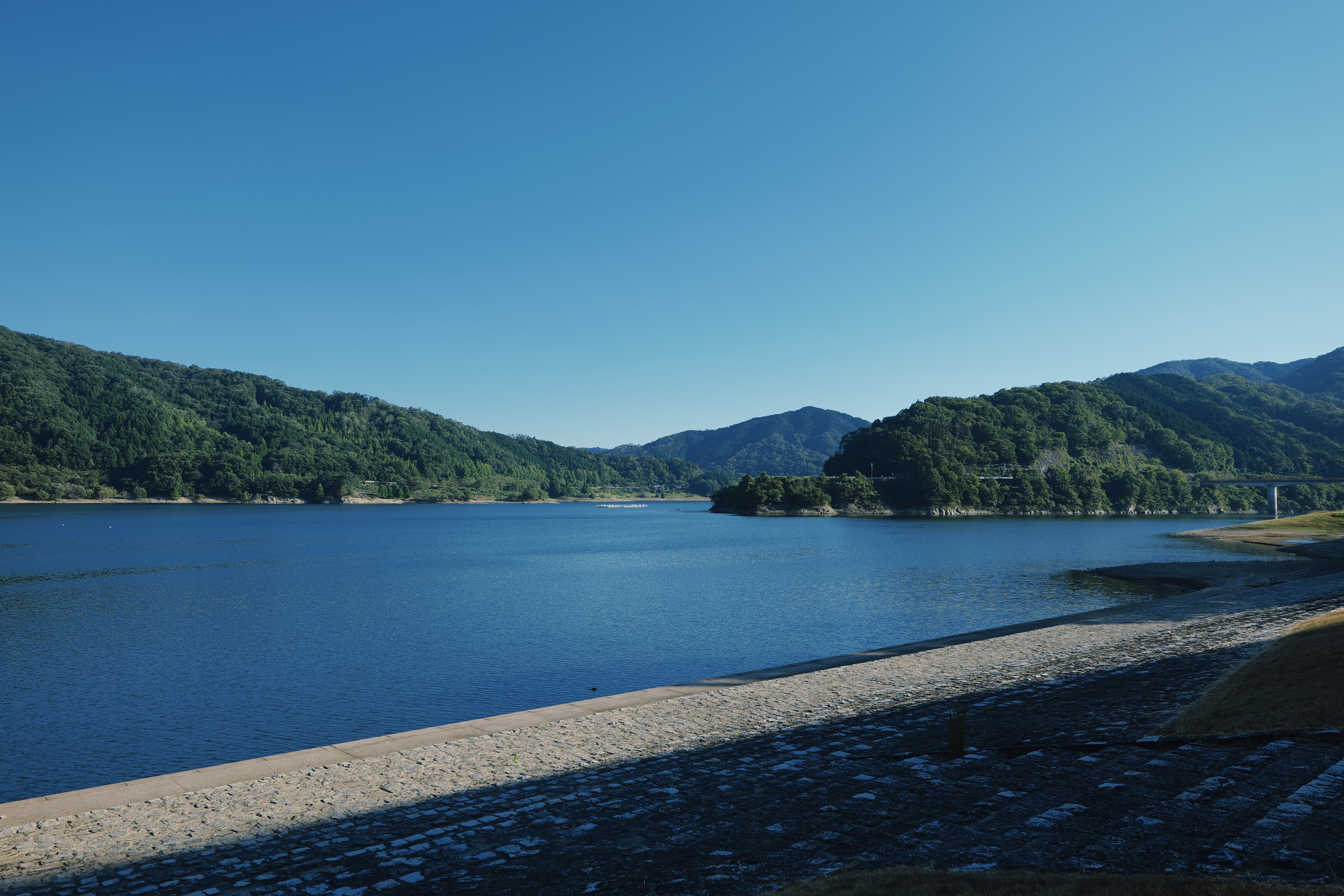
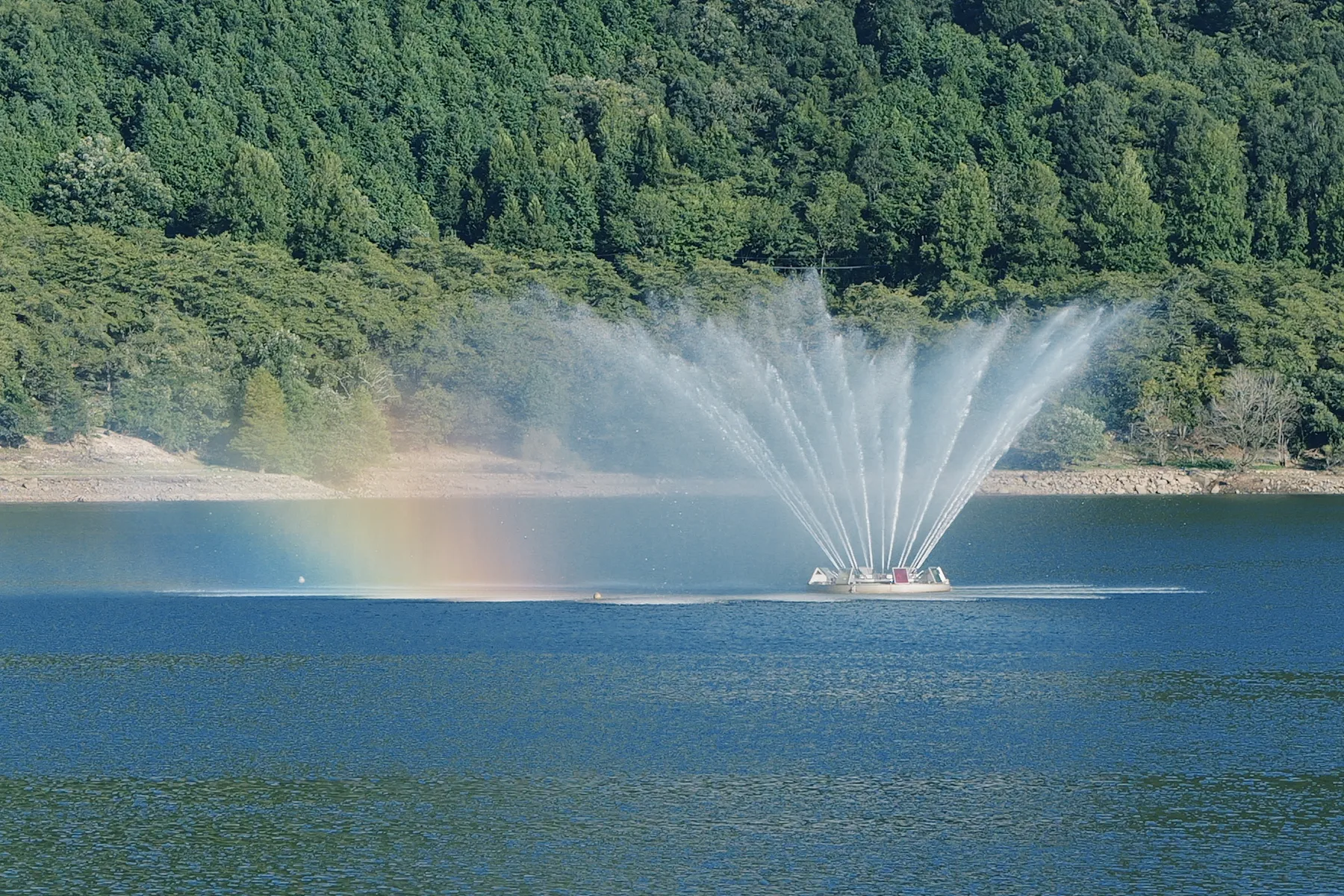
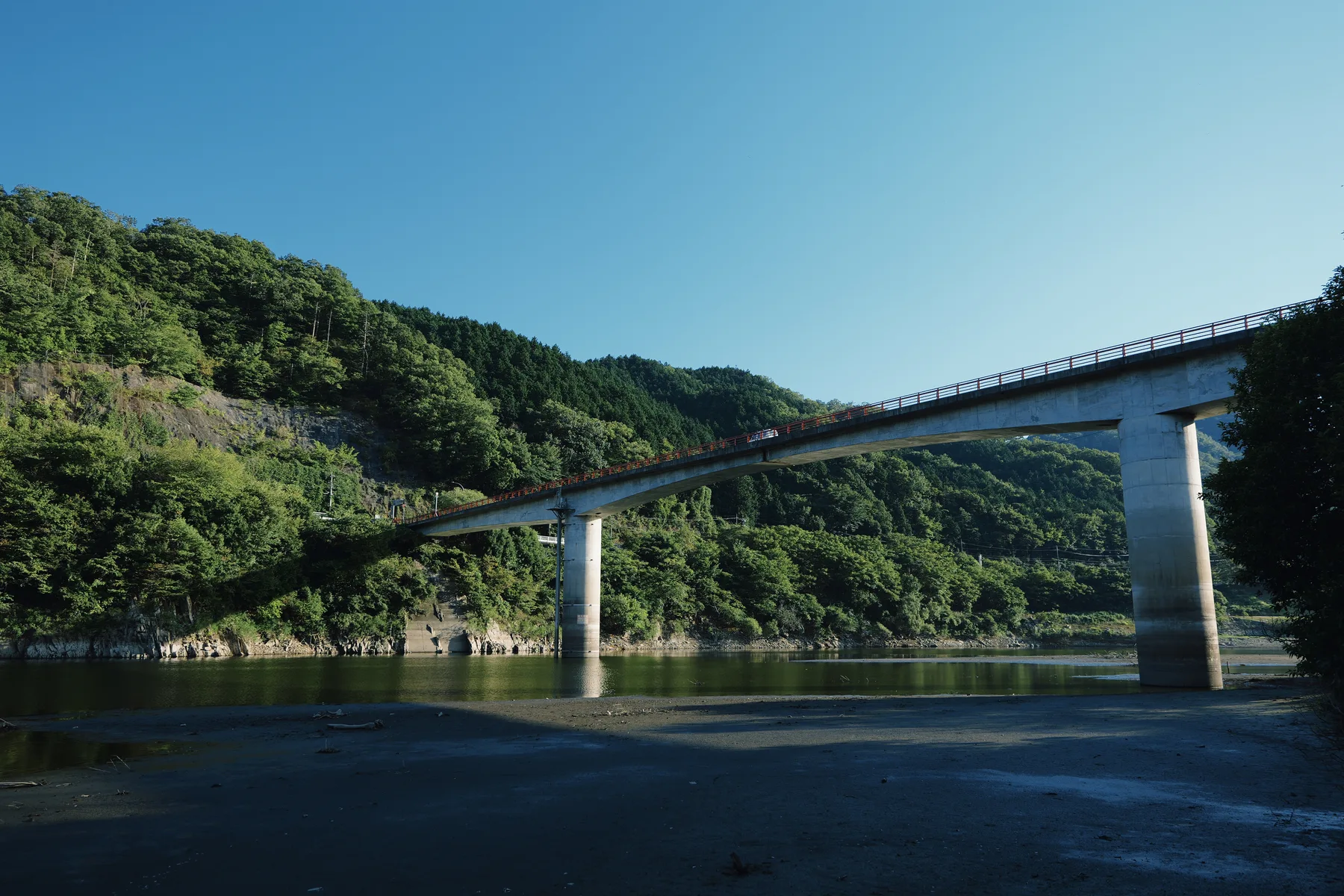
Nodogoe Park / のどごえ公園
Hiroshima Through Film Collection
Film Gallery
View All Photos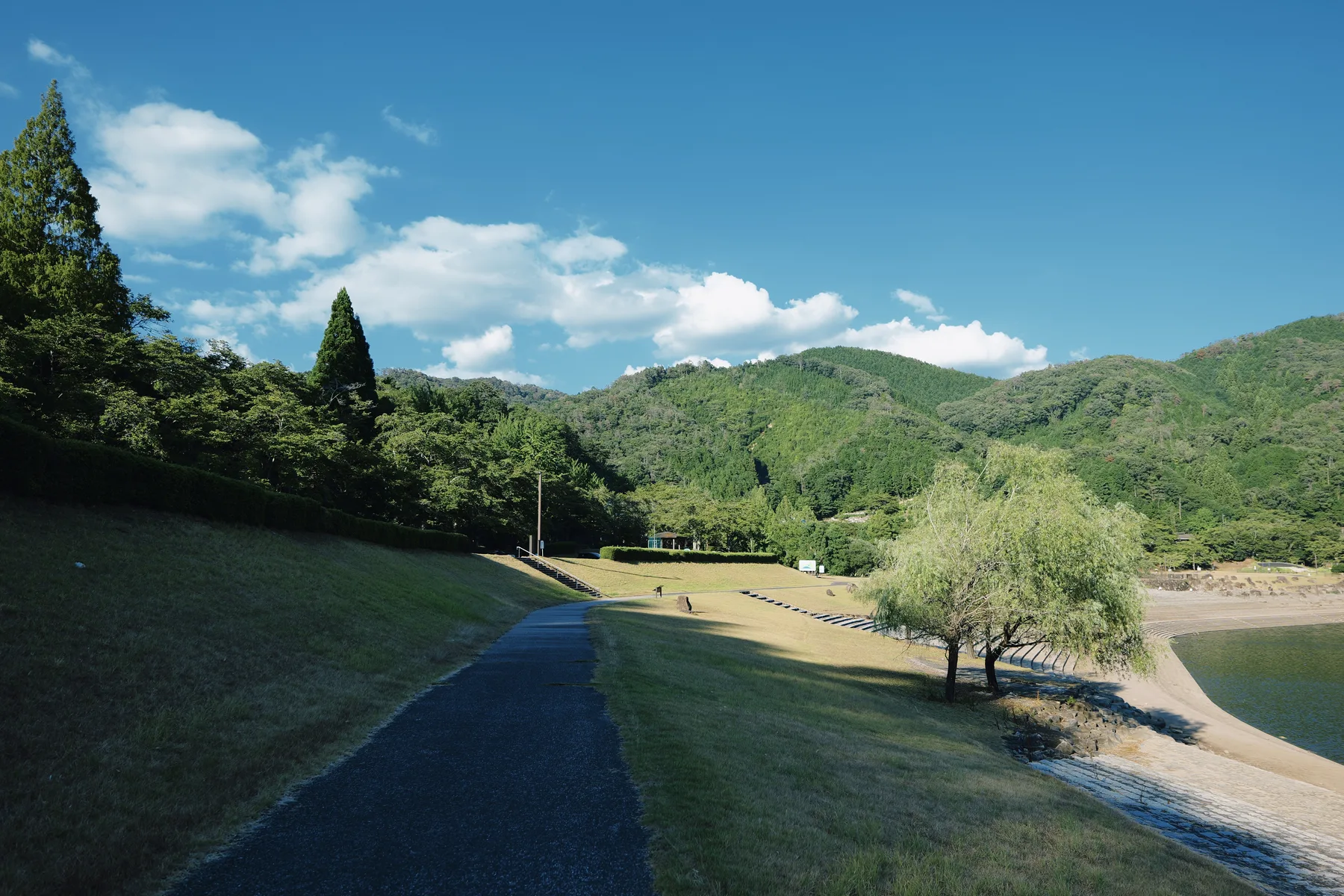
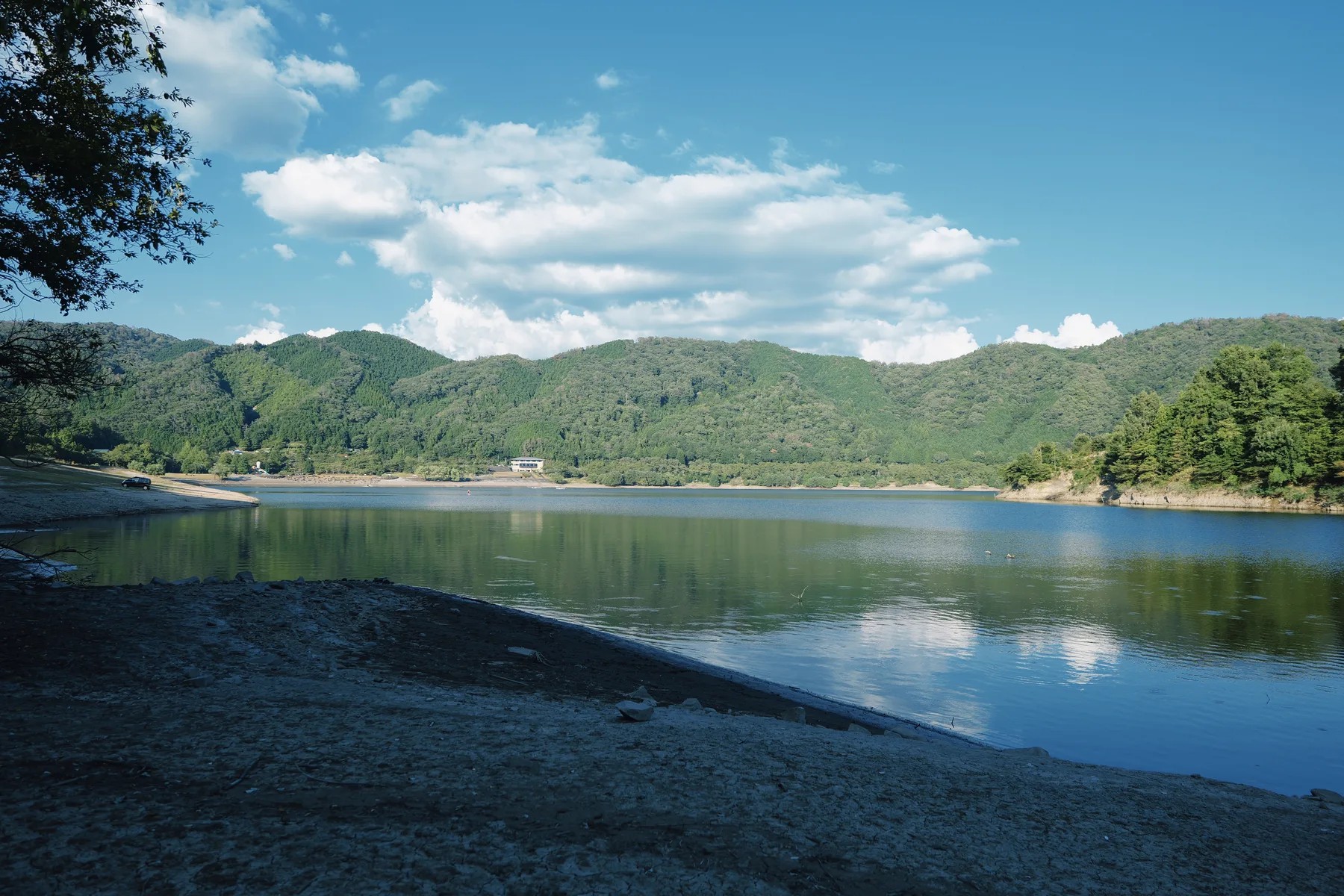
Nodogoe Shrine
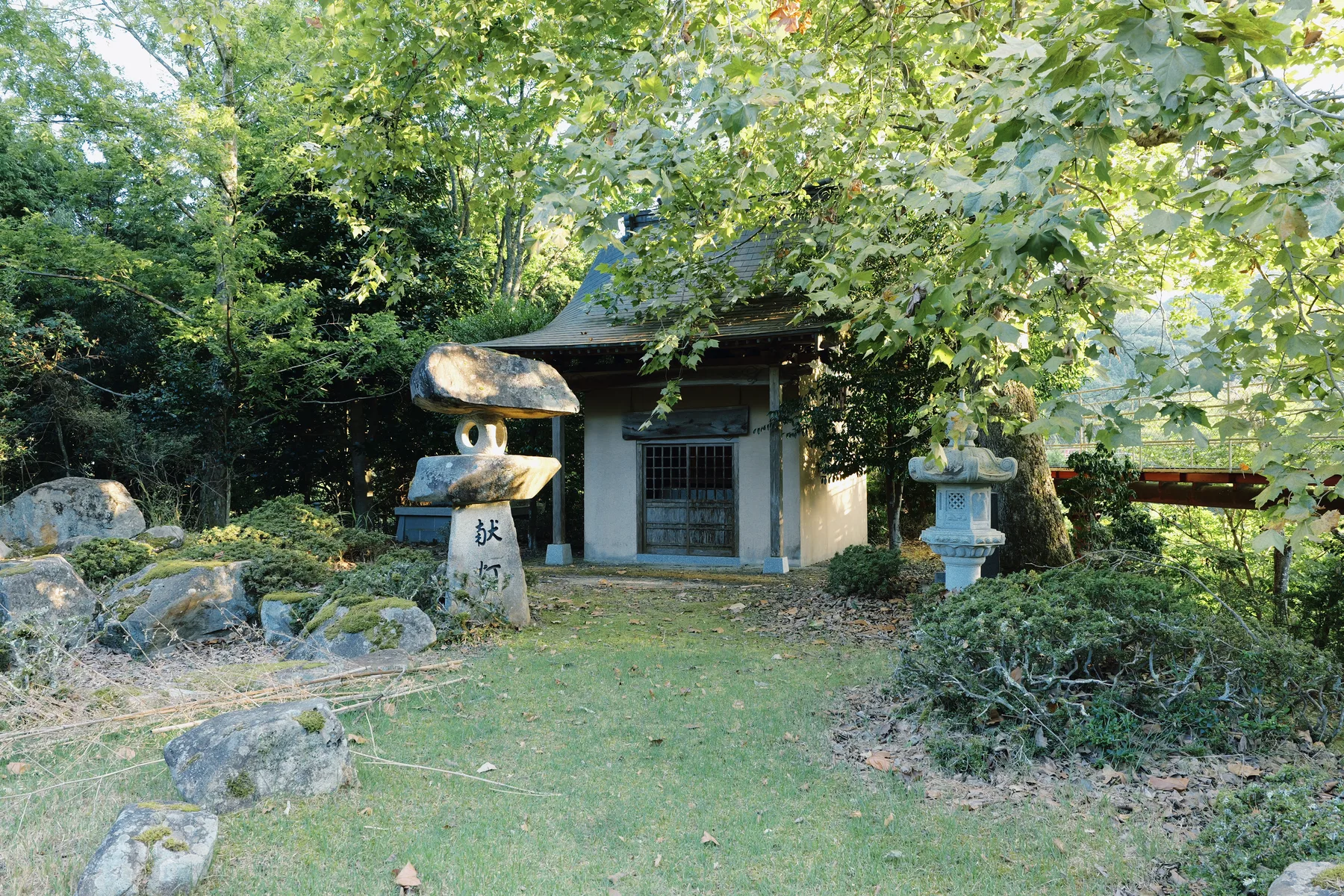
Nodogoe Shrine
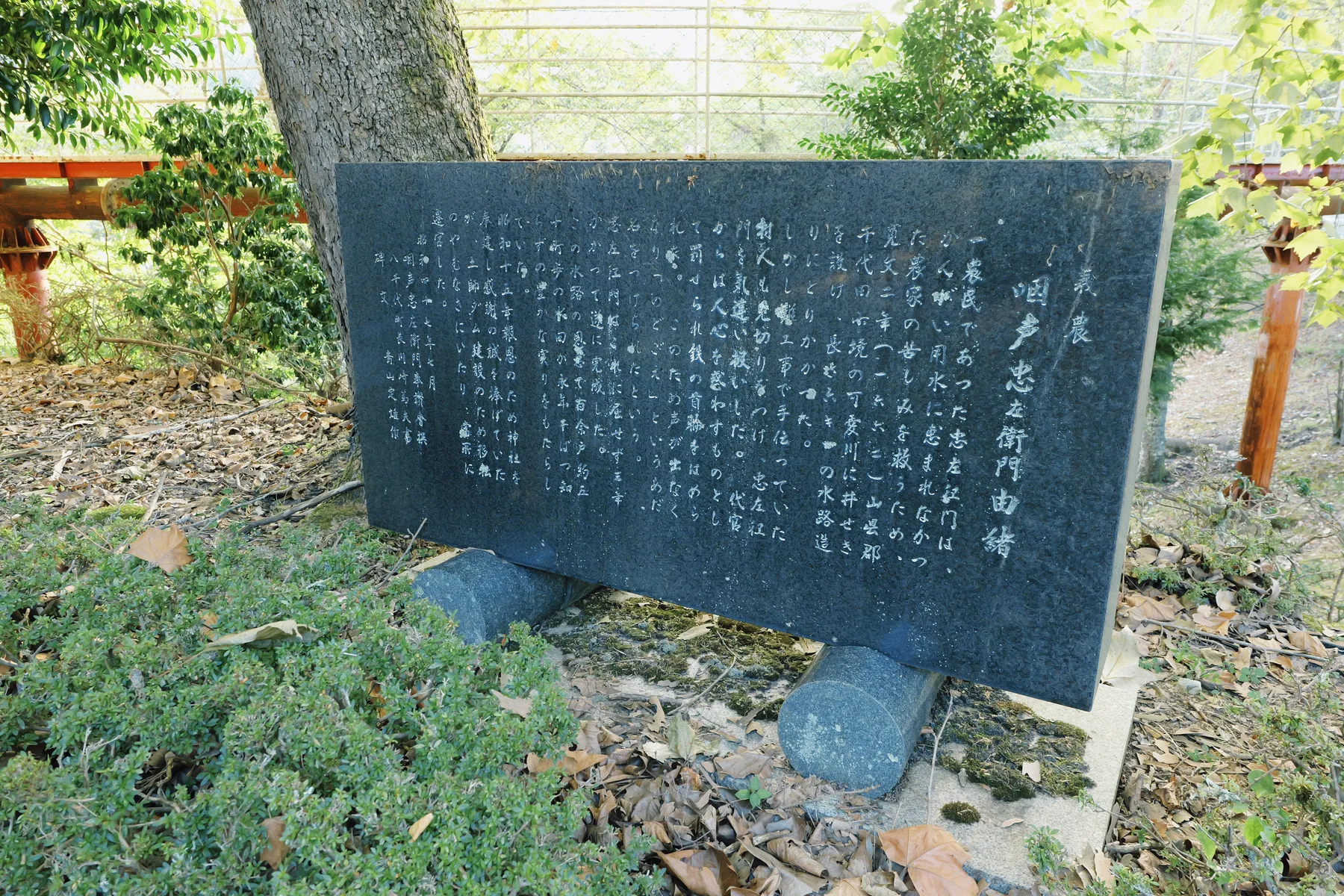
Nodogoe Shrine
About This Location
Nodogoe Park is a small memorial park in Yachiyo, Akitakata, with an extraordinary story dating back more than 300 years.
The park commemorates Nodogoe Chuzaemon, a farmer who devoted himself to bringing irrigation water to the dry fields of the area during the Edo period.
At the time, the nearby river flowed below the surrounding farmland, making it difficult to use the land for rice cultivation. Water shortages caused severe hardship for local farmers.
Chuzaemon believed that water could be brought from upstream and began constructing an irrigation channel himself. The local village headman initially ordered the project to be stopped, believing that it was far beyond what the villagers could accomplish. Chuzaemon was even arrested and restrained, but he refused to give up.
With no formal knowledge of surveying or engineering and without modern machinery, he continued the work almost entirely by himself. He studied the terrain by observing fog from the mountains and measuring differences in elevation with torches at night. He even sold his own rice fields to pay for the construction.
One of the greatest obstacles was a roughly 400-meter-long section of steep rock known as the Hanaguri-iwa cliffs. Chuzaemon continued cutting through the rock despite the enormous difficulty.
The work took three years to complete. The resulting irrigation channel was approximately 6 kilometers long and 1.8 meters wide, eventually providing water to around 50 hectares of rice fields.
During the construction, Chuzaemon's throat became badly damaged from years of physical labor, dust, and stone fragments, and his voice became hoarse. The villagers eventually began calling him "Nodogoe Chuzaemon," meaning Chuzaemon with the hoarse throat.
A neighboring village headman, Goroemon, was moved by Chuzaemon's determination and offered his support. With this assistance, the project was finally completed.
The villagers later recognized how badly they had treated Chuzaemon and honored him as a benefactor. A monument was erected in his memory, and Nodogoe Shrine in the memorial park continues to tell his story more than 300 years later.
The park is a quiet place, but its history is remarkable: one farmer's determination helped transform the agricultural landscape of the area.
江戸時代に農業用水の開削に挑んだ農民、咽声忠左衛門の功績を伝える記念公園です。
当時の八千代町上・中土師地区では、川が土地より低い場所を流れていたため、田畑に水を引くことが難しく、米を作ることができませんでした。水不足に苦しむ農民たちを見かねた忠左衛門は、上流から水を引くための用水路を自ら造ろうとしました。
庄屋は「村の人数でできるような工事ではない」として工事の中止を命じました。しかし忠左衛門は諦めず、農民を惑わす者として捕らえられ、手枷・足枷・首枷までされた後も意思を曲げませんでした。
忠左衛門には測量や設計の専門知識もなく、もちろん現在のような機械もありませんでした。それでも山に登って霧の流れを観察したり、夜にたいまつを灯して土地の高低差を調べたりしながら工事を続けました。
さらに、自分の田を売って工事費に充てました。特に大きな障害となったのが、約400mにわたって続く絶壁の鼻ぐり岩でした。忠左衛門はノミとツチを使い、困難な岩盤の掘削を続けました。
工事が始まってから3年後、全長約6km、幅約1.8mの用水路が完成し、約50ヘクタールの水田を潤すことができました。
長年にわたる工事によって汗や石の粉で首や喉を傷め、声がかすれてしまったことから、村人たちは彼を「咽声忠左衛門」と呼ぶようになったと伝えられています。
その後、隣村の庄屋・五郎右衛門が忠左衛門の行動に感銘を受け、工事への援助を申し出ました。その協力もあり、ついに用水路は完成しました。
かつて忠左衛門を止めようとした村人たちは、自分たちの仕打ちを恥じ、彼を村の恩人として尊敬するようになりました。その功績をたたえる石碑が建てられ、現在も記念公園内の咽声神社がその偉業を伝えています。
静かな小さな公園ですが、そこには300年以上前の一人の農民の執念と、それによって地域の農業が変わった歴史が残されています。
Location Information
Dohashi, Yachiyo-cho, Akitakata, Hiroshima 731-0301, Japan
Open in Google MapsLooking for a camera for your trip?
I also sell used Japanese cameras, lenses, and photography accessories on eBay. If you are looking for a camera to bring on your travels, please feel free to check my eBay profile.
View my eBay listings