Questions Mount Around Hiroshima Carp as Off-Field Turmoil Deepens
August 10, 2026
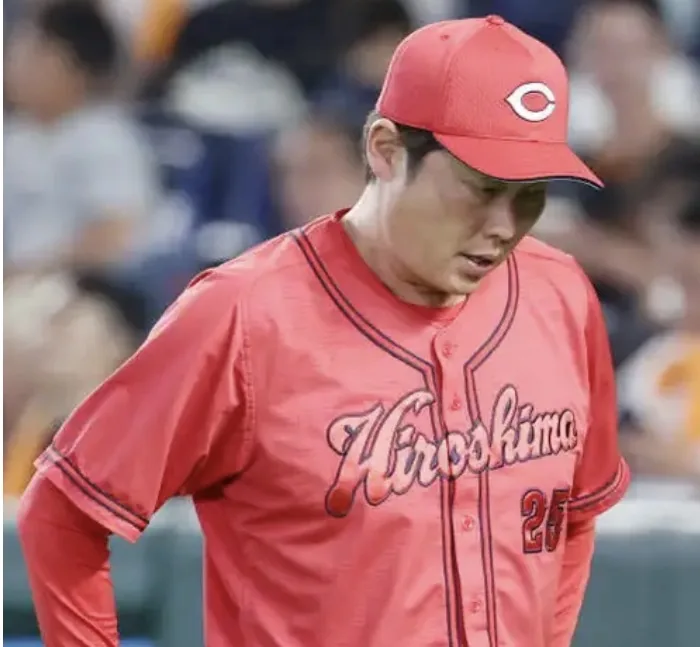
The Hiroshima Carp continue to face scrutiny following the Etomidate scandal involving former player Ryutaro Hatsuki and subsequent police searches involving current players. Amid the controversy and the team’s struggles on the field, reports have raised questions about manager Takahiro Arai’s situation and the club’s internal response.
The Hiroshima Toyo Carp are facing one of the most difficult periods in recent club history, with struggles both on and off the field putting the organization under increasing scrutiny.
The latest controversy stems from the Etomidate scandal involving former Carp player Ryutaro Hatsuki, who was arrested earlier this year after using the substance commonly referred to in Japan as “zombie tobacco.”
The situation expanded in July when reports emerged that several Hiroshima players had been seen socializing with Ryosuke Takiguchi, who was arrested for allegedly supplying Etomidate to Hatsuki.
On July 30, the Carp announced that police had searched the homes of infielders Masaya Yano and Seita Maekawa. Maekawa was subsequently removed from the first-team roster, while Yano had already been removed earlier in July.
The developments have created significant uncertainty around the team and raised questions about how the organization has handled the situation.
According to comments cited in a recent Japanese media report, one former Carp player expressed concern about the emotional toll the controversy has taken on manager Takahiro Arai.
The report portrayed Arai as deeply troubled by the actions of some of his players and struggling with the responsibility of leading the team through the scandal. However, the more dramatic comments attributed to Arai in the report were relayed through a former player rather than made publicly by Arai himself.
That distinction is important. There has been no public confirmation from the Carp that Arai made those remarks.
The manager’s difficulties have also extended onto the field.
In July, a series of hit-by-pitches involving Hanshin Tigers players led to heated exchanges between the two teams. Hiroshima had previously hit Hanshin’s Koji Chikamoto with a pitch that resulted in an injury, while additional hit-by-pitches involving Ukyo Maekawa, Teruaki Sato and Yusuke Ohyama further intensified tensions.
The Carp have not been among the league leaders in hit-by-pitches overall, but the concentration of incidents involving key Hanshin hitters attracted considerable attention.
At the same time, Hiroshima’s season has continued to deteriorate.
The Carp entered the second half of the season with hopes of remaining in the Central League playoff race, but injuries, pitching problems and inconsistent offense have made the path increasingly difficult.
The team has also faced difficult questions about its younger players and the direction of the organization.
Yano, Maekawa, Kaito Kozono and other young players have all been mentioned in reporting surrounding the broader controversy, although the circumstances and level of involvement reported for each player are not the same.
It is therefore important not to treat the players as a single group or assume wrongdoing simply because their names appeared in reports.
The Carp now face the difficult task of rebuilding trust while continuing the season on the field.
For Arai, who helped lead Hiroshima during the organization’s three consecutive Central League championships as a player and now serves as manager, the current situation represents an especially difficult chapter.
Regardless of what happens next, the Carp will need to address the issues surrounding the organization transparently while giving their players a clear path forward.
For a club with such a strong connection to Hiroshima and its fans, restoring that trust may ultimately be just as important as the team’s results on the field.