Inside the Carp's Ohno Dormitory: Hiroyuki Michihara on the Habits That Help Young Players Succeed
September 22, 2026
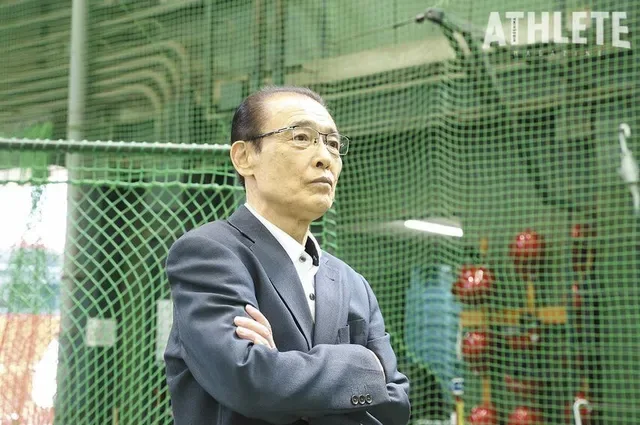
The Carp's Ohno Dormitory in Hatsukaichi has been home to generations of young Hiroshima players as they work toward establishing themselves in the first team. Hiroyuki Michihara, who served as dormitory manager for 13 years, has watched countless prospects develop and leave for the professional stage. Looking back on players such as Seiya Suzuki, Ryusuke Kikuchi, Shogo Sakakura and Ryoji Kuribayashi, Michihara identifies the habits and character traits that successful players tend to share.
The Hiroshima Carp have given opportunities to a large number of young and developmental-draft players this season. Behind many of those players is a place that has quietly supported their development for years: Ohno Dormitory in Hatsukaichi, Hiroshima Prefecture.
For generations of young Carp players, the dormitory has been more than simply a place to live. It has been where they learned how to manage themselves, develop professional habits and prepare for life as first-team players.
Few people have seen that process more closely than Hiroyuki Michihara, who served as the dormitory manager from 2011 through 2024.
During his 13 years in charge, Michihara watched numerous young players eventually leave the dormitory and establish themselves on the professional stage. Looking back, he says certain habits repeatedly appeared among the players who went on to succeed.
Seiya Suzuki Never Stopped Working
One of the players who left the strongest impression on Michihara was Seiya Suzuki, now with the Chicago Cubs.
Michihara remembers Suzuki's extraordinary dedication to individual practice.
"He was constantly swinging the bat in the indoor practice facility. Even after curfew, he would continue taking swings under the small amount of light at the entrance of the dormitory."
Suzuki spent roughly three years living at the dormitory, and Michihara has never forgotten the sheer volume of work he put in.
Another memorable player was Ryusuke Kikuchi, who moved into the dormitory in 2012.
"From his very first day, he was at the front of the group of rookies doing batting practice in the indoor facility."
For Michihara, those examples illustrate one of the most important differences between players who develop and those who do not: what they do when the team-wide practice is over.
"I think one thing successful players have in common is how much individual practice they do. That's why I always made sure to tell the players at the dormitory how important it is to work on their own after team practice."
Shogo Sakakura's Routine Began as a Rookie
Michihara also remembers Shogo Sakakura for his discipline away from the field.
Even as a first-year professional, Sakakura had already established his own daily routine.
"From his first year as a professional, he would get up in the morning and take a walk for about 30 minutes before breakfast."
Sakakura also practiced diligently, but Michihara was particularly impressed that a high school graduate could establish such a routine and manage himself so well from the beginning of his professional career.
"It's rare to see a player fresh out of high school who already has that kind of routine and can manage himself that well."
Another player who stood out for his everyday behavior was Ryoji Kuribayashi.
Kuribayashi spent only a short period at Ohno Dormitory, but Michihara remembers the small details that showed his character.
"He would always make sure the slippers in the restroom were lined up properly."
Michihara says Kuribayashi's ability on the field is well known, but his behavior away from baseball was equally impressive.
"There was nothing I could ever complain about in his everyday life. He was a wonderful player."
Kuribayashi even wrote the word "humility" on his autograph, something Michihara says perfectly captured his personality.
"He even wrote 'humility' on his autograph. That's exactly what he was like."
The Players Who Eat Well Also Tend to Thrive
Michihara identified another surprisingly consistent trait among successful professional players: they eat well.
Looking back at the players he had observed over the years, he says those who ate substantial meals often went on to perform well.
Two players who particularly stood out were Yoshihiro Maru, now with the Yomiuri Giants, and Kenta Maeda, now with the Tohoku Rakuten Golden Eagles.
"They ate so much that I remember thinking, 'Wow.'"
For professional baseball players, physical conditioning is fundamental. Baseball is a physically demanding profession, and maintaining the body is essential to surviving the long season.
Because Michihara had seen the connection between eating habits and physical development firsthand, he was strict with the young players at the dormitory.
"I always told them, 'At the very least, you absolutely have to eat breakfast.'"
The Importance of Being Receptive
There was one more characteristic Michihara noticed among players who continued to improve: they tended to be receptive and willing to listen.
"I think the players who developed were generally very straightforward and willing to take things in."
That quality, Michihara suggests, may be another common trait among players who eventually succeed.
For more than a decade, he watched young players arrive at Ohno Dormitory as inexperienced professionals and gradually develop into established players.
His memories of Suzuki's relentless practice, Kikuchi's work ethic, Sakakura's self-management and Kuribayashi's humility offer a glimpse into a side of player development that cannot be measured by batting averages or pitching statistics.
The Ohno Dormitory may be a place where young Carp players live, but for many of them, it is also where the habits that shape their professional careers are formed.